Conseils pour faire les courses
26 min de lecture
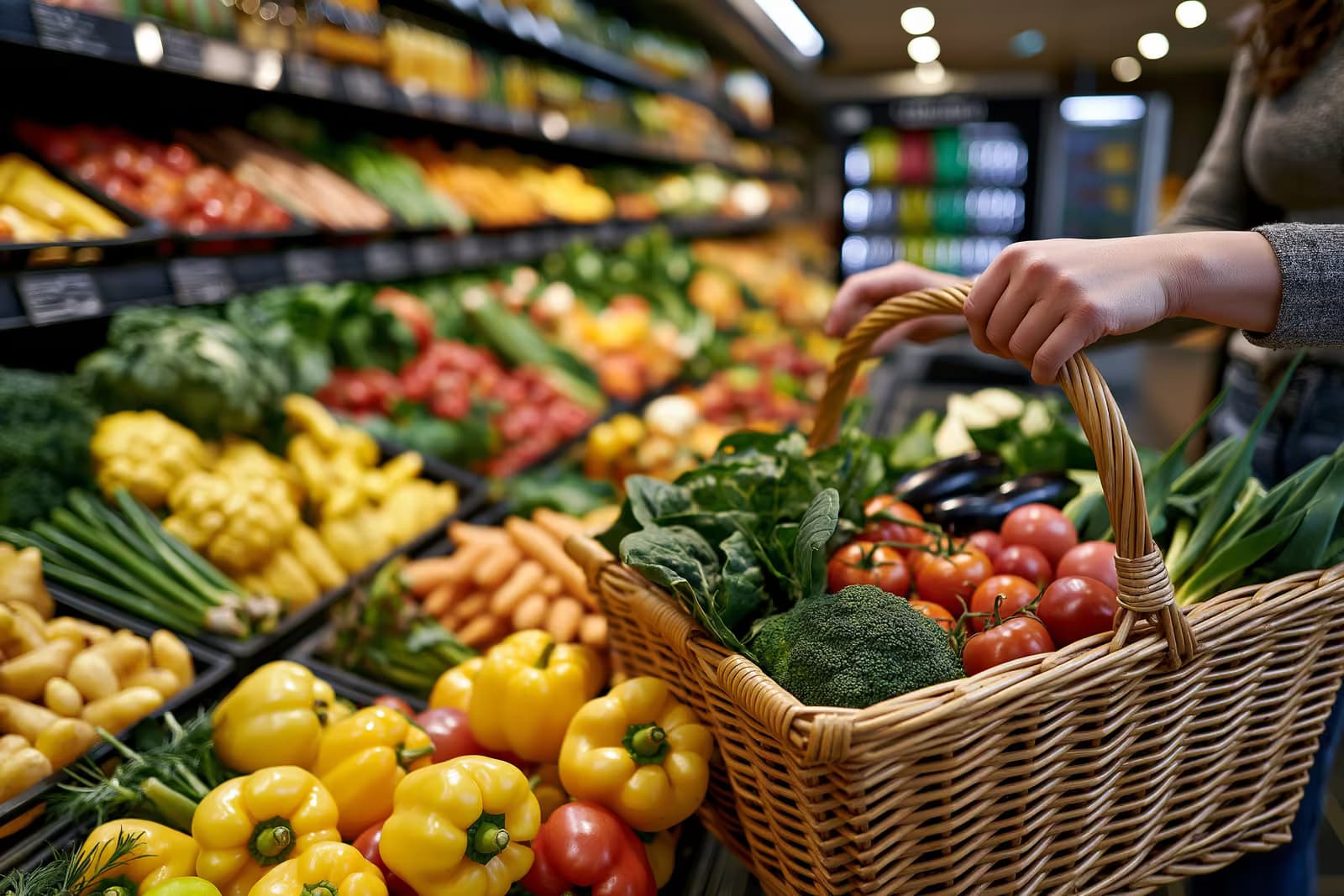
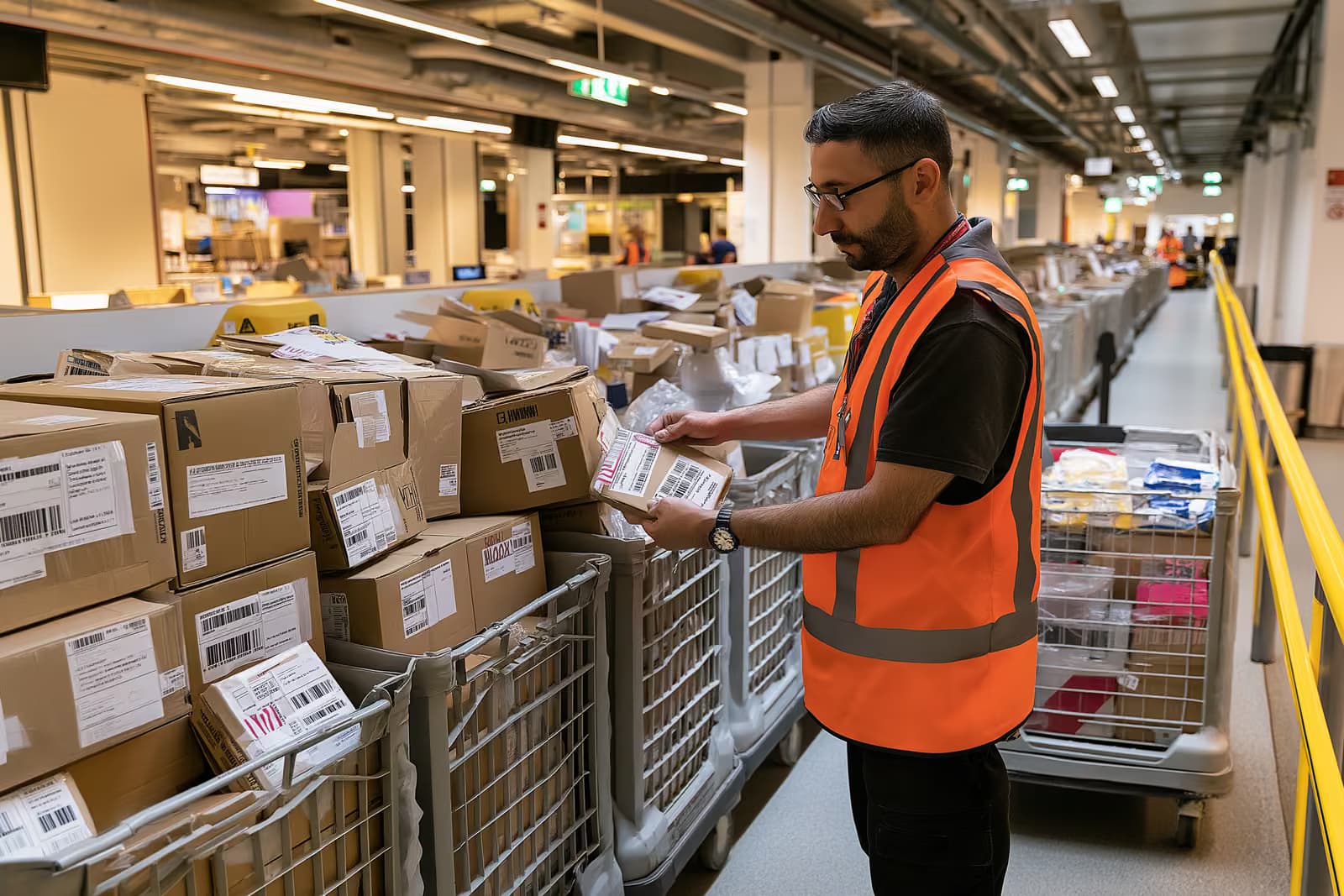
Ce chapitre s'adresse à celles et ceux dont la première expérience au supermarché allemand a été catastrophique. Ici, faire ses courses obéit à des règles bien précises, assimilées dès l'âge de six ans par tous les Allemands : la caissière scanne les articles plus vite qu'on ne peut emballer ses courses, on emballe soi-même ses achats après avoir payé, on vous cache de l'argent dans une bouteille, et le dimanche, les magasins sont fermés. Une fois qu'on a compris le système, rien de compliqué. La première fois, c'est plutôt gênant. Vous trouverez ci-dessous des conseils pratiques pour faire ses courses hebdomadaires : où acheter, les horaires d'ouverture, le système Pfand et comment se faire rembourser, les modalités de paiement, la signification des étiquettes, et comment dépenser moins sans se priver de bonnes choses.
Le passage en caisse est la partie dont personne ne vous parle.
C’est ici que tout se complique. Un caissier allemand s’assoit, scanne vos articles à une vitesse impressionnante et les pousse sur le tapis roulant jusqu’à un petit espace de collecte. Personne ne s’occupe de vos sacs. Il n’y a pas d’emballeur, et personne ne vient vous aider. Le caissier vous annonce le total et s’attend à ce que vous payiez alors que vos courses continuent de s’empiler. L’ordre est inversé par rapport aux habitudes des clients américains, britanniques, irlandais ou canadiens : on paie d’abord, puis on emballe.
Faites comme les locaux. En vidant votre chariot sur le tapis roulant, disposez les articles dans l'ordre où vous souhaitez les emballer : d'abord les articles lourds et rigides, puis le pain, les œufs et les fruits frais. Beaucoup utilisent aussi le Warentrenner, cette petite barre en plastique que l'on place derrière le dernier article pour séparer vos courses de celles du client suivant. Une fois en caisse, remettez tout dans votre chariot ou votre panier, déballé, et éloignez-vous de la caisse jusqu'au Packtisch, le comptoir d'emballage le long du mur. Emballez vos courses là, calmement, sans gêner personne. C'est tout à fait normal. Rester à la caisse à emballer soigneusement ses courses pendant qu'une file d'attente se forme derrière soi, c'est ce qui agace le plus.
Apportez un sac. Les magasins allemands ne distribuent pas de sacs gratuits et, depuis 2022, les sacs en plastique légers sont totalement interdits. Le choix se limite donc, à la caisse, à un sac en papier ou à un sac réutilisable solide, pour une cinquantaine de centimes à quelques euros. En acheter un n'est pas un problème, et tous les magasins en vendent. Cependant, la plupart des ménages utilisent en réalité un sac en tissu pliable, un sac en jute ou une caisse en plastique dans le coffre de la voiture. Si vous vous déplacez à vélo ou à pied, un sac à dos est la solution idéale.
Un dernier point concernant le chariot : il est presque certainement attaché à celui qui le précède et nécessite une pièce. La plupart acceptent une pièce d'un euro ou de cinquante centimes, que vous récupérez lorsque vous attachez à nouveau le chariot. Il s'agit d'une caution, et non d'un débit. Un jeton de caisse en plastique, accroché à un porte-clés, remplit la même fonction et est présent sur la plupart des clés, précisément parce que la pièce n'est jamais sur soi quand on en a besoin.
Où les gens font réellement leurs courses
Le paysage de la grande distribution est plus marqué qu'ailleurs, et savoir dans quel type de magasin on se trouve permet de comprendre les prix et les ruptures de stock. Les discounters - Aldi, Lidl, Penny, Netto - proposent un assortiment volontairement restreint, principalement des marques de distributeur, empilées sur des palettes dans leur emballage d'origine. Ce n'est pas par négligence, mais par choix commercial : moins de rayons, moins de manutention, des prix plus bas. La qualité des produits de base est vraiment bonne et les Allemands de tous les niveaux de revenus y font leurs courses sans complexe. En revanche, vous n'y trouverez pas trois variantes d'un même ingrédient. Il y a bien une sauce soja, et elle est très bien.
Le Vollsortimer - successeur de Rewe, Edeka, Kaufland et Real - est un supermarché à assortiment complet : plusieurs marques par produit, un comptoir de service pour la charcuterie et le fromage, un véritable rayon de produits frais et des prix parfois 10 à 20 % supérieurs à ceux des discounters pour des produits comparables. Edeka et Rewe sont des structures quasi coopératives avec de nombreux magasins indépendants, ce qui explique pourquoi deux magasins d'une même chaîne dans une même ville peuvent présenter des différences notables en termes d'assortiment, de qualité et de prix. Si votre Rewe local vous déçoit, celui situé deux quartiers plus loin pourrait vous satisfaire.
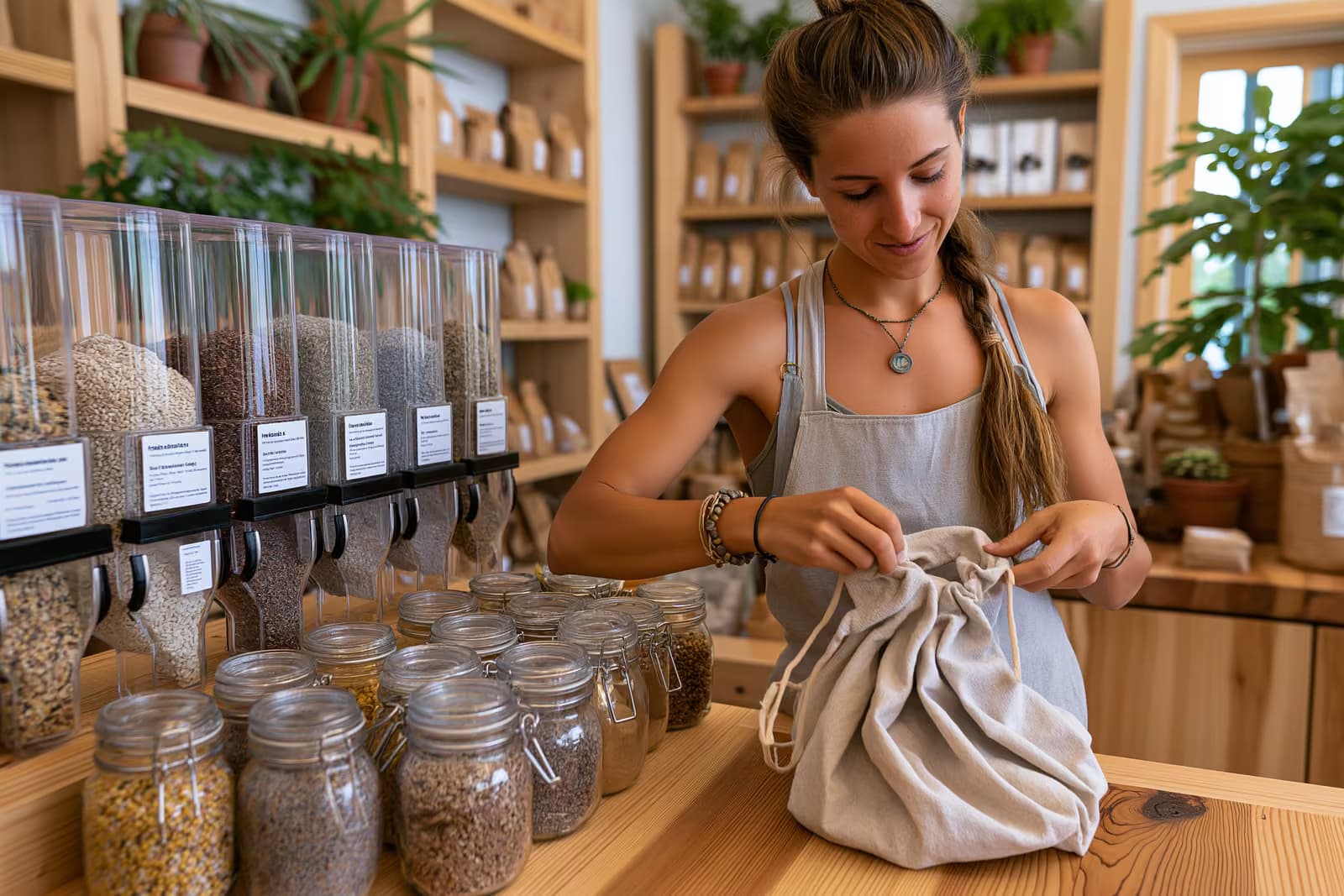
Ensuite, il y a Bioladen, le magasin bio - Alnatura, Denn's Biomarkt, et une multitude de commerces indépendants. Tout est certifié bio, l'offre est principalement composée d'aliments complets, et ça se paie. Ces adresses sont intéressantes pour certains produits spécifiques plutôt que pour l'ensemble du magasin : céréales et légumineuses en vrac, bon pain, et le choix végétarien et végan, plus vaste et de meilleure qualité que celui des supermarchés. La question de savoir si le prix plus élevé se justifie par la qualité promise est abordée dans ce guide. options d'achat écologiques plutôt qu'ici.
Le véritable secret, c'est le Türkischer Markt, l'Asia Markt, les épiceries russes, polonaises et moyen-orientales. Dans la plupart des villes allemandes, le primeur turc propose tout simplement les produits frais les moins chers et de la meilleure qualité, souvent de loin, vendus en quantités pensées pour la cuisine. C'est aussi, fréquemment, la seule source de produits introuvables en supermarché allemand : de la coriandre en bottes plutôt qu'en pot, des épices entières, des herbes fraîches, de la viande halal, des légumineuses au kilo, de la feta de qualité, et les nouilles, le piment ou le masala spécifiques dont vous avez besoin. L'Asia Markt offre le même choix pour les ingrédients d'Asie de l'Est et du Sud-Est. Si vous regrettiez de ne plus trouver vos ingrédients préférés dans les rayons de votre supermarché, c'est là qu'ils se trouvent. cuisine internationale en Allemagne poursuit sa recherche.
Enfin, le marché hebdomadaire (Wochenmarkt) se tient à dates fixes sur une place dans presque chaque ville et quartier. On y trouve les produits de saison, le fromage, le poisson et les spécialités régionales, vendus par des personnes qui vous donneront des conseils de cuisine. Ce n'est pas forcément bon marché - certains étals sont chers et savent que leurs clients ne sont pas sensibles aux prix - mais les produits se vendent rapidement et la qualité est au rendez-vous. Arrivez en fin de journée, dans la dernière demi-heure, et les prix baissent sensiblement car les commerçants préfèrent vendre plutôt que de reconditionner.
Le dimanche est un jour de repos, et cela influence toute votre semaine.
En Allemagne, les commerces ferment le dimanche. Supermarchés, discounters, boulangeries après leur courte matinée, presque tout. Il ne s'agit pas d'une simple particularité des magasins, mais d'une loi, et il est important d'en comprendre les modalités actuelles, car on trouve sur internet des informations obsolètes. Auparavant, les horaires d'ouverture des commerces étaient régis par une loi fédérale unique, la Ladenschlussgesetz de 1956. Depuis la réforme fédérale de 2006, cette compétence relève des seize Länder, chacun ayant adopté sa propre législation. La Bavière était le dernier bastion de l'application de l'ancienne loi fédérale jusqu'à la promulgation de la Bayerisches Ladenschlussgesetz, en vigueur depuis le 1er août 2025. Dès 2026, chaque Land applique donc ses propres règles et la loi fédérale de 1956 ne fait plus jurisprudence.
Concrètement, cela signifie que les horaires d'ouverture relèvent de la compétence des Länder et qu'il vous faut vous renseigner auprès des vôtres. La Bavière est la plus stricte : les magasins peuvent ouvrir de 6h00 à 20h00 en semaine, les boulangeries à partir de 5h30, et les dimanches et jours fériés sont fermés toute la journée, à quelques exceptions près : les journaux peuvent rester ouverts jusqu'à cinq heures, les boulangeries trois heures, le lait frais deux heures et les fleuristes deux heures. À l'inverse, plusieurs Länder autorisent les commerces à ouvrir 24h/24 du lundi au samedi, ce qui explique pourquoi un supermarché berlinois peut être ouvert jusqu'à minuit tandis qu'un supermarché munichois ferme à 20h01. Le dimanche, en revanche, les commerces sont fermés quasiment partout. Chaque Land autorise également quelques « Verkaufsoffene Sonntage », des dimanches d'ouverture liés à un marché ou une fête locale ; la Bavière en autorise quatre par an, de 10h00 à 18h00, les grandes fêtes religieuses étant exclues. Ces ouvertures sont annoncées localement et constituent un événement ponctuel, et non une habitude.
Passons maintenant aux conséquences, qui sont le cœur du problème. Le samedi après-midi, c'est le chaos : tout le pays fait ses courses pour deux jours d'un coup, et faire ses courses dans un supermarché en ville le samedi entre 16h et 18h est sans doute la pire expérience que l'Allemagne puisse offrir. Faites vos courses tôt le samedi matin, ou mieux encore, répartissez vos achats sur la semaine. De plus, un jour férié compte comme un dimanche, et l'Allemagne en compte beaucoup, dont plusieurs régionaux. Le piège, c'est le jeudi férié : les magasins ferment le jeudi, tout le monde fait ses courses le mercredi soir, et si vous n'avez pas remarqué le jour férié, vous arrivez le jeudi et vous trouvez porte close. Consultez le calendrier des jours fériés de votre Land et notez-les dans votre agenda. C'est une opération de quinze minutes qui vous évitera un week-end affamé.
Viennent ensuite les exceptions, auxquelles on recourt en cas d'erreur de calcul. Les boutiques des gares principales (Bahnhof) et des aéroports peuvent ouvrir en dehors des heures habituelles, y compris le dimanche, car elles répondent aux besoins des voyageurs. Il en va de même pour les stations-service (Tankstelle). C'est pourquoi le supermarché d'une grande gare centrale (Hauptbahnhof) est ouvert le dimanche et bondé de personnes qui, de toute évidence, ne prennent pas le train. Il est important de bien comprendre ce que l'on achète : l'autorisation légale se limite aux articles de voyage (Reisebedarf), ce qui explique la petite taille de ces boutiques, le choix restreint et les prix sensiblement plus élevés. Une station-service ouverte à 22 h le dimanche vous vendra du lait, du pain et du chocolat à prix d'or. C'est un lieu de dépannage, pas un magasin. Autre exemple de dépannage : les épiceries de quartier ouvertes tard le soir (Späti), véritables institutions à Berlin et dans quelques autres villes, dont le statut légal est souvent précaire et dont les prix reflètent l'heure.
Pfand : L'acompte que vous avez déjà versé
La consigne est une somme versée sur les contenants de boissons. Vous la payez en caisse, en plus du prix, et vous la récupérez en rapportant la bouteille vide. Ce n'est ni une taxe, ni une contribution écologique : c'est votre argent, conservé. Les Allemands la considèrent comme de l'argent, c'est pourquoi vous verrez des bouteilles déposées soigneusement à côté d'une poubelle plutôt que dedans, afin que les éboueurs puissent les récupérer. Ce système représente plusieurs centaines d'euros d'économies par an pour un foyer qui l'utilise, et rien pour un foyer qui jette ses bouteilles.
La confusion vient du fait qu'il existe deux systèmes avec des tarifs différents. « Einweg » signifie « à usage unique » : la bouteille est écrasée et recyclée. Chaque contenant « Einweg » (obligatoire) est soumis à une consigne fixe de 0.25 €, fixée par l'article 31 de la loi sur les emballages (Verpackungsgesetz), comme minimum légal TVA comprise. Ce montant est fixe, quelle que soit la contenance. Une canette de 0.5 litre et une bouteille de 1.5 litre sont toutes deux soumises à une consigne de 0,25 €. « Mehrweg » signifie « réutilisable » : la bouteille est lavée et remplie à nouveau, jusqu'à cinquante fois pour le verre. Les consignes pour les bouteilles « Mehrweg » ne sont pas fixées par la loi ; elles sont laissées à la discrétion du conditionneur. Elles varient donc, mais en pratique, on trouve généralement 0.08 € pour une bouteille de bière standard et 0.15 € pour la plupart des autres bouteilles « Mehrweg », en verre ou en plastique. Les caisses sont soumises à une consigne spécifique sur les bouteilles qu'elles contiennent, généralement autour de 1.50 €, fixée là encore par le conditionneur et non par la loi. Une caisse de bière pleine peut donc contenir trois euros, voire plus, c'est pourquoi la caisse vide est renvoyée.
C'est au niveau des contenants exemptés que presque tout le monde se trompe, même les habitants de longue date. La consigne légale concerne les contenants de boissons Einweg de 0.1 à 3 litres. L'article 31(4) de la loi allemande sur les emballages (VerpackG) énumère ensuite les exemptions - briques de boissons, sachets, vin, lait, boissons diététiques pour nourrissons - mais ces exemptions ne s'appliquent plus dès que la boisson est conditionnée en bouteille plastique ou en canette. Cette règle fondamentale est la clé de tout et explique les points suivants : la brique de boisson en carton (Getränkekarton) est exemptée de consigne ; le lait et les jus en brique sont donc exemptés de consigne. Le lait en bouteille plastique est soumis à une consigne de 0.25 € depuis le 1er janvier 2024, tout comme les yaourts à boire et le kéfir en bouteille plastique. Les jus en bouteille plastique ou en canette sont soumis à la consigne depuis le 1er janvier 2022. Le vin et le Sekt en bouteille de verre à usage unique sont exemptés de consigne, car ils sont taxés comme l'alcool ; mais le même vin en canette est soumis à une consigne de 0,25 €. Les spiritueux en canette en contiennent généralement aussi.
Voici donc une astuce pratique : pour une bouteille en plastique ou une canette, partez du principe que le prix est de 0.25 € et vous ne vous tromperez presque jamais. Pour une brique ou un sachet, ne partez pas du principe que le prix est correct. Pour un récipient en verre, cela dépend de son contenu : eau, bière et boissons non alcoolisées, oui ; vin et spiritueux, non. En cas de doute, regardez l’étiquette : les contenants Einweg doivent porter le logo DPG et la mention « Einwegpfand 0,25 Euro », tandis que les bouteilles Mehrweg portent les mentions Mehrweg, Mehrwegflasche, Leihflasche ou Pfandflasche. L’absence de marquage uniforme obligatoire pour les contenants Mehrweg explique précisément cette variabilité.
Le retour des bouteilles est automatique. Trouvez la machine de consigne, généralement située dans le hall du supermarché. Insérez les bouteilles une à une, étiquette vers l'extérieur, bouchon ouvert ou fermé selon le panneau de la machine, et ne les écrasez pas : la machine lit le code-barres et une bouteille écrasée est refusée. Les caisses doivent être placées dans un emplacement séparé ou déposées au service client. Une fois terminé, appuyez sur le bouton vert. La machine imprime un Bon, un reçu avec le total de vos achats. Ce Bon n'est pas de l'argent liquide. Vous le présentez à la caisse et il est déduit de vos achats, ou le caissier vous le remet si vous le demandez et que vous n'achetez rien. Cela surprend souvent les personnes qui s'attendent à recevoir de la monnaie. Un Bon oublié dans une poche, c'est de l'argent gaspillé, alors remettez-le à la caisse.
Le lieu de retour a son importance lorsque la machine vous refuse une bouteille. Un magasin vendant des contenants consignés d'un matériau donné doit reprendre tous les contenants consignés de ce matériau, quel que soit le vendeur ; ainsi, un grand supermarché reprend votre bouteille même si elle provient d'une autre chaîne. En revanche, les commerces de moins de 200 m² de surface de vente ne sont tenus de reprendre que les marques et matériaux qu'ils ont en stock. C'est pourquoi la petite épicerie de quartier refuse votre bouteille, et elle est dans son droit. Le système Mehrweg est encore plus souple et repose sur la pratique plutôt que sur une obligation universelle : rapportez les bouteilles standard dans un magasin qui vend ce type de contenant. En cas de doute, rapportez tout dans un grand supermarché et le problème est réglé. L'utilité réelle de ces machines de consigne et leur efficacité restent à déterminer. options d'achat écologiques, qui aborde la question des emballages et des déchets ; ce chapitre s'arrête au remboursement de votre argent.
Paiement en caisse : Girocard, cartes de crédit et espèces
L'acceptation des cartes bancaires en Allemagne s'est considérablement améliorée et n'est plus le cauchemar d'il y a dix ans. Toutes les chaînes de supermarchés, tous les magasins discount et toutes les stations-service acceptent les cartes, y compris le sans contact, et il est possible de faire toutes ses courses de la semaine sans utiliser d'argent liquide. Cependant, la vieille mise en garde persiste, et cela tient à une distinction qui n'existe pas dans la plupart des pays.
La carte de débit allemande est la Girocard, un système national, que votre banque allemande vous envoie lors de l'ouverture d'un compte courant. Ce n'est ni une Visa ni une Mastercard, même si elle est souvent compatible avec les cartes Visa ou Maestro pour une utilisation à l'étranger. De nombreux commerces allemands acceptent exclusivement la Girocard, car les frais sont moins élevés, et refusent systématiquement les cartes de crédit étrangères. Le problème est donc précis : il ne s'agit pas simplement du refus de certaines cartes, mais bien du refus de votre carte. Si vous résidez en Allemagne, un compte bancaire allemand et la Girocard associée simplifient considérablement les transactions. Les modalités d'obtention sont détaillées plus loin dans ce guide. Une carte Visa étrangère fonctionnera chez Rewe, mais pourrait ne pas être acceptée dans une boulangerie.
L'argent liquide reste indispensable dans certains lieux, et ce n'est pas par nostalgie. Le marché de masse (Wochenmarkt) fonctionne principalement en espèces : certains stands acceptent désormais les cartes, d'autres non, et le poissonnier refuse catégoriquement. Les boulangeries (Bäckerei) n'acceptent souvent que les espèces ou la Girocard, et certaines imposent un « Minestbetrag », un montant minimum d'achat, en dessous duquel le paiement par carte est exigé - une pratique dont la légalité est contestée mais qui persiste malgré tout. Les marchés turcs (Türkischer Märkte) et asiatiques (Asia Märkte) fonctionnent fréquemment en espèces. Petits commerces indépendants, kiosques, cafés des marchés, Späti : espèces uniquement. Un panneau « Nur Bargeld » signifie « espèces uniquement » et c'est le cas. Prévoyez de 20 à 50 euros en billets et en pièces, et gardez une pièce d'un euro pour le chariot. Pour beaucoup d'Allemands, l'argent liquide est aussi une question de préférence pour la confidentialité plutôt qu'une contrainte, et il ne disparaîtra pas parce qu'un étranger le trouve gênant.
Sept pour cent ou dix-neuf pour cent : comment la TVA s’applique à vos courses
En Allemagne, la TVA (Umsatzsteuer) est appliquée à un taux normal de 19 % et à un taux réduit de 7 %. La plupart des produits alimentaires sont taxés à 7 %, conformément à l'article 12, paragraphe 2, point 1 de la loi allemande sur la TVA (UStG) et à son annexe 2, selon le principe que les produits de première nécessité ne doivent pas être taxés comme des produits de luxe. Vous n'avez pas à effectuer ce calcul vous-même, car la législation allemande sur les prix exige que le prix affiché soit le Gesamtpreis, c'est-à-dire le prix total TVA comprise. Il est néanmoins important de comprendre cette législation, car elle permet de justifier des prix qui, autrement, seraient incohérents. Cette disposition a été modifiée en janvier 2026.
La limite entre 7 % et 19 % est notoirement arbitraire, et les exemples actuels sont révélateurs car ils sont toujours d'actualité. Le lait de vache est taxé à 7 %. Les boissons à base d'avoine, de soja et d'amande sont taxées à 19 %, car la Cour fédérale des finances (Bundesfinanzhof) considère que le terme « lait » en matière de TVA désigne exclusivement la sécrétion d'un ou plusieurs animaux, excluant ainsi les boissons végétales du champ d'application de la loi. Et oui, cette situation perdure en 2026. L'absurdité est encore plus grande : le soja, en tant que légumineuse, est taxé à 7 %, le yaourt au soja à 7 % et la boisson au soja à 19 %. Une même graine, taxée deux fois, selon son degré de transformation. L'eau du robinet est traitée différemment de l'eau minérale en bouteille. Les paniers cadeaux composés sont taxés au prorata. Rien de tout cela ne repose sur la logique, et si vous êtes végan ou intolérant au lactose, vous payez le taux normal sur un produit de base, ce qui explique précisément pourquoi la liste des produits à taux réduit est régulièrement remise en question.
Le véritable changement concerne les restaurants et rend obsolètes les anciens guides. Jusqu'à fin 2025, consommer une Bratwurst debout au comptoir représentait 19 % des dépenses, contre seulement 7 % pour la version à emporter. Cette distinction a engendré des années de litiges quant à la qualification des bancs comme places assises. Cette distinction a disparu pour la restauration. La loi fiscale de 2025 (Steueränderungsgesetz 2025), adoptée par le Bundestag le 4 décembre 2025 et approuvée par le Bundesrat le 19 décembre 2025, a ramené la part des plats préparés (Speisen) à 7 % dans l'ensemble du secteur de la restauration à compter du 1er janvier 2026, sans date limite. Restaurants, cafés, cantines, food trucks, livraison, restauration scolaire et hospitalière : 7 %, que vous consommiez sur place, à emporter ou en livraison. Les boissons restent à 19 %, à quelques rares exceptions près pour le lait et les boissons lactées contenant au moins 75 % de lait (comme un cappuccino ou un latte macchiato), ainsi que pour l'eau du robinet à emporter. La règle actuelle est donc de 7 % pour les aliments et 19 % pour les boissons, et votre position n'a plus d'importance. Quant à savoir si cela a influencé les prix affichés, la réponse est généralement négative.
La date sur l'emballage est deux choses différentes
C'est cette distinction d'étiquetage qui compte le plus : elle est juridiquement contraignante, et se tromper peut vous coûter de l'argent et parfois même nuire à votre santé. Les produits alimentaires allemands portent l'une ou l'autre de ces deux dates, et elles ont des significations opposées.
La date limite de consommation (DLC), imprimée sous la forme « mindestens haltbar bis » (« à consommer de préférence avant le »), est une garantie de qualité du fabricant : non ouvert et correctement conservé, l’aliment gardera son odeur, son goût, sa texture et ses valeurs nutritionnelles jusqu’à cette date. Il ne s’agit ni d’une date de péremption, ni d’une date limite de sécurité alimentaire. Un aliment dont la DLC est dépassée n’est pas avarié et, surtout, il est légal de le vendre et de le consommer. Un commerçant peut donc légalement continuer à le vendre, ce qui explique la présence de rayons déstockés de produits juste après la date limite de consommation et le fonctionnement des applications basées sur les surplus alimentaires. Les pâtes sèches, le riz, les conserves, le sucre, le sel, le miel et le vinaigre restent consommables plusieurs mois, voire plusieurs années après la DLC. Fiez-vous à vos sens : regardez, sentez, goûtez un peu. Un yaourt qui sent le yaourt est un yaourt. L'Allemagne jette une quantité considérable de nourriture comestible à cause d'une mauvaise interprétation de cette simple ligne, et la Verbraucherzentrale, l'organisme de conseil aux consommateurs, le dénonce depuis des années.
La date limite de consommation (Verbrauchsdatum), imprimée avec la mention « zu verbrauchen bis » (« à consommer avant le »), est impérative et ne laisse place à aucune interprétation. Elle figure sur les aliments très périssables qui peuvent rapidement devenir dangereux : viande hachée fraîche (strictement réglementée en Allemagne), volaille crue, poisson frais. C’est une date butoir absolue. Après cette date, la vente et la consommation de l’aliment sont interdites, et l’odeur n’y change rien, car les bactéries responsables de maladies graves ne sont pas nécessairement détectables par l’odorat. La date limite de consommation dépend également de la température de conservation indiquée. Ainsi, la date limite de consommation sur la viande hachée suppose une chaîne du froid ininterrompue. Si l’aliment est resté une heure dans une voiture chaude, la date indiquée sur l’emballage est optimiste.
Ainsi : « mindestens haltbar bis » est un conseil, « zu verbrauchen bis » est une règle. Si vous ne devez retenir que deux expressions allemandes de ce chapitre, apprenez celles-ci. Et notez bien ce que cela implique pour vos droits de consommateur, car l'alimentation est un domaine où elle se distingue nettement de tous les autres achats. La garantie légale de conformité qui vous protège en cas de panne d'un grille-pain est quasiment inutile pour un concombre, car le délai de douze mois pour la preuve, inversé en vertu de l'article 477 du Code civil allemand (BGB), n'a jamais été conçu pour un produit périssable en une semaine. En pratique, les réclamations concernant les produits alimentaires sont généralement réglées à l'amiable au service client en un ou deux jours, sans procédure judiciaire. Notre chapitre sur garanties et retours des produits Il est propriétaire du terrain et explique comment l'article 477 entre en vigueur. Pour les courses, c'est plus simple : conservez le ticket de caisse, retournez au magasin rapidement et soyez raisonnable.
Que peut encore vous révéler l'étiquette ?
Le chiffre le plus utile sur un rayon allemand n'est pas le prix. C'est le Grundpreis, le prix unitaire - le prix au kilo, au litre, aux 100 grammes - imprimé en petits caractères sur l'étiquette, à côté du prix affiché. Conformément à l'article 4 du Preisangabenverordnung (ordonnance allemande sur l'affichage des prix), les commerçants sont tenus de l'afficher clairement et lisiblement à côté du prix total, sauf exceptions pour les très petites quantités inférieures à 10 g ou 10 ml, certains comptoirs de vente directe et les cas où le prix unitaire et le prix total sont identiques. Il permet de comparer, et une fois qu'on prend l'habitude de le lire plutôt que le prix affiché, on ne se laisse plus berner par les arguments marketing. Le paquet de 400 g qui paraît moins cher que celui de 500 g ne l'est généralement pas. C'est l'habitude la plus précieuse de ce chapitre, et elle ne coûte rien.
Les allergènes constituent l'autre information légalement obligatoire. La réglementation européenne exige que quatorze allergènes définis - dont les céréales contenant du gluten, le lait, les œufs, le poisson, les crustacés, le soja, le céleri, la moutarde, le sésame, le lupin, les sulfites et les fruits à coque - soient déclarés et mis en évidence dans la liste des ingrédients, généralement en gras ou en majuscules, afin d'être repérables même sans maîtriser l'allemand. En Allemagne, cette obligation s'étend aux produits vendus en vrac au comptoir, où l'information doit être disponible sur demande. Si vous souffrez d'une allergie, apprenez le nom allemand de votre allergène et repérez le mot mis en évidence : c'est le seul élément d'une étiquette allemande conçu pour être repéré plutôt que lu.
L'étiquetage bio est plus complexe qu'il n'y paraît. Le label bio européen (EU-Bio-Siegel), une feuille étoilée, est obligatoire sur les aliments bio préemballés produits dans l'UE et atteste de leur conformité à la réglementation européenne sur l'agriculture biologique - une norme de base, certes, mais un minimum. Le label bio allemand (Staatliches Bio-Siegel), plus ancien et hexagonal, est facultatif et figure en parallèle. Au-delà de ce minimum se trouvent les associations privées - Bioland, Demeter, Naturland - dont les normes vont au-delà des exigences minimales de l'UE en matière d'alimentation animale, d'élevage, d'engrais et de gestion intégrée des exploitations, et dont les logos ont par conséquent plus de valeur que le label bio. Si vous payez plus cher pour un produit bio, le logo de l'association vous apporte une garantie supplémentaire par rapport à la loi. Ce que ce surcoût représente pour l'environnement est une question distincte de ce qu'il garantit légalement.
Faire ses courses avec un petit budget
L'alimentation fait partie des rares dépenses importantes du ménage que l'on peut maîtriser rapidement, et l'Allemagne met à votre disposition des outils particulièrement efficaces. Commencez par le Prospekt, le catalogue hebdomadaire des promotions. Chaque enseigne en publie un, distribué dans les boîtes aux lettres ou disponible sur l'application, et les Angebote (promotions) sont proposées du lundi au samedi. Les prix promotionnels allemands sont très compétitifs et méritent d'être pris en compte : la viande, le fromage et le café, notamment, bénéficient de promotions très intéressantes. Si votre boîte aux lettres porte la mention « Keine Werbung » (sans publicité), vous ne recevrez pas la version papier, ce qui explique pourquoi beaucoup de gens privilégient les applications.
Ces applications méritent bien de la place sur votre téléphone. Lidl Plus, l'application Rewe, Edeka et Penny's proposent toutes des réductions personnalisées, des coupons numériques et parfois des bons de réduction classiques. Payback, quant à elle, regroupe plusieurs enseignes. Scannez l'application en caisse et les réductions s'appliquent. Il est important de bien comprendre le fonctionnement du système : vous payez en fonction de votre historique d'achats, ce qui est le principe même du programme. L'opération peut être avantageuse ou non, mais il vaut mieux la réaliser en toute connaissance de cause.
L'application Too Good To Go est la première à installer. Boulangeries, supermarchés et restaurants vendent leurs invendus de fin de journée dans des « Überraschungstüte », des sacs surprises, pour environ un tiers du prix de détail. Vous réservez via l'application et récupérez votre sac pendant un créneau horaire défini. Un sac de boulangerie à 18h contient une grande quantité de pain et de viennoiseries pour quelques euros. Vous ne choisissez pas le contenu, c'est le principe, et c'est très avantageux pour ceux qui cuisinent à leur rythme. Cela fonctionne précisément grâce à la réglementation du ministère de la Santé : la vente de denrées alimentaires dont la date limite de consommation est dépassée est légale.
Foodsharing est la version non commerciale et gratuite. Foodsharing.de coordonne des bénévoles qui collectent les invendus des commerces et les redistribuent. Le réseau gère également des Fairteiler (« partageurs équitables ») publics : des étagères et des réfrigérateurs dans des espaces communautaires où chacun peut déposer ou prendre de la nourriture, sans inscription ni condition de ressources. Trouvez le Fairteiler le plus proche de chez vous sur la carte Foodsharing. Il n'y a aucune honte à participer : l'important est que la nourriture ne soit pas gaspillée, et les utilisateurs sont issus de tous les milieux. C'est une solution typiquement allemande à un problème allemand, et c'est l'une des initiatives les plus accueillantes du pays pour les nouveaux arrivants.
Par ailleurs, la discipline habituelle fonctionne mieux ici qu'ailleurs, car les écarts de prix sont considérables. Achetez les marques de distributeur, souvent issues de la même usine que les marques nationales, dans chaque chaîne. Privilégiez les produits de saison : les asperges allemandes en mai et les fraises allemandes en juin sont excellentes et bon marché, contrairement aux importations de janvier. Faites vos courses principales chez Discounter et les articles spécifiques chez Vollsortimer ou au marché. Allez au marché du week-end en fin de journée. Profitez des prix de base. Et jetez un œil aux rayons des promotions - marqués « reduziert » ou avec un autocollant orange - qui apparaissent le soir et le dernier jour avant les vacances, lorsque les produits à date de péremption proche doivent être écoulés.
Que faire ensuite
Faites trois choses cette semaine. Rangez un sac pliable et une carte de consigne à un endroit où vous ne pouvez pas vous passer : une poche de manteau, votre porte-clés, votre sacoche de vélo. Consultez les horaires d’ouverture des commerces et les jours fériés de votre région, car ils sont réglementés et impossibles à deviner, et notez-les dans votre agenda. Ensuite, rassemblez toutes les bouteilles et canettes vides de votre appartement, apportez-les à la consigne du supermarché le plus proche et remettez le jeton au caissier. Ce jeton, c’est de l’argent que vous possédez déjà.
Changez ensuite une habitude : lisez le prix de base plutôt que le prix affiché. En une semaine, cela deviendra un réflexe et vos prix s’ajusteront progressivement. Apprenez également les deux expressions clés relatives à la date de péremption : « mindestens haltbar bis » (à consommer avec modération) est une promesse de qualité que vous pouvez ignorer sans risque, en restant attentif à vos sens ; « zu verbrauchen bis » (à consommer avec modération) est une limite stricte à ne pas dépasser. Vous cesserez ainsi de gaspiller de la bonne nourriture et de prendre des risques avec des produits de mauvaise qualité.
Pour le reste, sachez où se situent les limites de ce chapitre. Si un article que vous avez acheté est défectueux ou si vous souhaitez le retourner, commencez par… garanties et retours des produitsSachez que l'idée fausse qui touche presque tous les arrivants des États-Unis ou du Royaume-Uni est qu'il n'existe pas de droit général de rétractation après un achat en magasin. Le droit de rétractation de quatorze jours (Widerrufsrecht) est un droit lié à la vente à distance, et non un droit du magasin. Un supermarché qui reprend un article fait preuve de générosité, et non de conformité. Notre chapitre sur lois sur la protection des consommateurs Il constitue le point d'ancrage de toute cette zone et explique ce que vous pouvez réellement appliquer, et où intervient la Verbraucherzentrale lorsqu'un magasin dit non.
Ceci n'est en aucun cas un avis juridique, et les règles varient d'un Land à l'autre - vérifiez les horaires d'ouverture dans votre Land et consultez le site de la Verbraucherzentrale pour toute question. Mais il ne s'agit pas de droit à proprement parler. En réalité, un supermarché allemand valorise l'organisation et pénalise l'improvisation ; après un mois d'utilisation de ses méthodes, la première mauvaise expérience chez Rewe devient une anecdote plutôt qu'une source d'angoisse.
Références
Les informations contenues dans ce chapitre proviennent des sources et publications officielles énumérées ci-dessous, dont la dernière révision date de juillet 2026. Il s'agit de conseils généraux et non de conseils juridiques, fiscaux ou médicaux personnalisés.
Cet article a été traduit de l'anglais.