Explorer Vereine : la culture des clubs en Allemagne
15 min de lecture
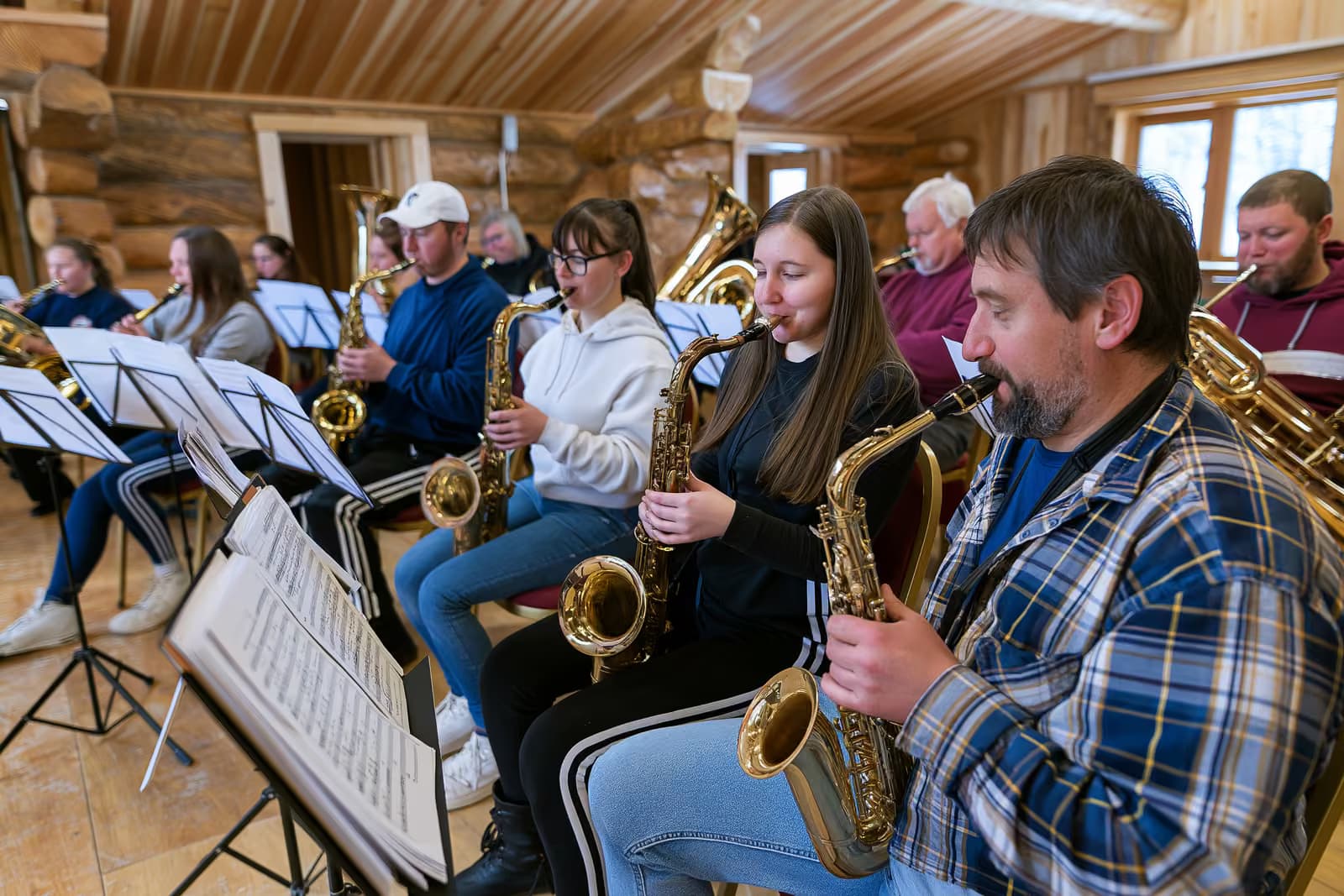
S'il y a un seul conseil pratique à donner à un étranger qui souhaite ne plus se sentir exclu en Allemagne, c'est celui-ci : rejoignez un Verein. Un Verein (au pluriel, Vereine) est une association ou un club enregistré. La culture associative allemande est un système discret qui permet à la plupart des Allemands de se faire des amis, de passer leur temps libre et de rester connectés à leur ville. Ce chapitre explique ce qu'est un Verein, pourquoi c'est le meilleur moyen de s'intégrer, le vaste choix de clubs disponibles et comment en trouver un et devenir membre. Il s'adresse à ceux qui n'ont jamais mis les pieds dans un Verein et qui trouvent le concept un peu formel et intimidant. À la fin de ce chapitre, vous vous sentirez prêt à participer à votre premier Schnuppertraining, la séance d'essai proposée par presque tous les clubs.
Qu'est-ce qu'une association (Verein) exactement ?
En termes simples, une Verein est un groupe de personnes réunies autour d'un objectif commun - un sport, un loisir, une cause, une tradition - et qui a donné à ce groupe une forme juridique formelle. La forme la plus courante est l'eingetragener Verein, abrégée en eV après le nom du club, ce qui signifie association enregistrée. Elle est inscrite au Vereinsregister, le registre des associations tenu par le tribunal d'instance (Amtsgericht) compétent. En vertu du droit allemand (dont les dispositions figurent dans le Bürgerliches Gesetzbuch, le code civil), une association à but non lucratif acquiert la personnalité morale dès son inscription au registre. C'est pourquoi le club, et non un membre individuel, est propriétaire du matériel, signe le bail du club-house et est responsable de ses dettes.
Pour être fondée et enregistrée, une association (Verein) doit compter au minimum sept membres qui adoptent des statuts (Satzung) et élisent un conseil d'administration (Vorstand). Ce nombre de sept est le minimum légal pour l'enregistrement ; la plupart des associations en comptent bien plus. Les statuts définissent l'objet de l'association, les modalités d'adhésion et de départ, le processus décisionnel et les personnes habilitées à signer au nom de l'association. De nombreuses associations bénéficient également du statut d'association d'utilité publique (Gemeinnütziger Verein). Ce statut fiscal, accordé par l'administration fiscale (Finanzamt) en vertu du code fiscal (Abgabenordnung), permet à une association dont l'objet sert le bien commun - sport, culture, éducation, protection de l'environnement, etc. - de payer peu ou pas d'impôts et de délivrer des reçus de dons, en échange du réinvestissement de tout excédent dans son objet social plutôt que de le redistribuer à ses membres. En clair, c'est pourquoi vos cotisations annuelles sont si faibles : l'association ne cherche pas à faire du profit à vos dépens.
L'ampleur de tout cela est véritablement étonnante. L'Allemagne compte environ 600 000 Vereine enregistrées - le chiffre exact varie selon les sources et les années, mais il se chiffre assurément en centaines de milliers - et la grande majorité des adultes appartiennent à au moins une, souvent à plusieurs. Il existe, non sans une pointe d'humour, une Vereine pour tout : pour l'élevage de pigeons, le carnaval, le jardinage associatif, la préservation d'un dialecte local, ou encore la fanfare d'un village. Les Allemands ont un mot affectueux pour désigner leur enthousiasme à fonder et à gérer des clubs : « Vereinsmeierei », un terme légèrement taquin qui désigne leur goût national pour l'organisation formelle, les comités et les procédures bien établies. On le prononce avec un sourire, sans mépris, et après avoir assisté à votre première réunion, vous comprendrez à la fois la taquinerie et l'affection.
Pourquoi la culture des clubs allemands est le meilleur outil d'intégration
Les nouveaux arrivants s'attendent souvent à se faire des amis comme dans leur pays d'origine : une conversation qui se prolonge autour d'un café, un collègue qui devient un ami, un voisin qui frappe à la porte. En Allemagne, cela se produit beaucoup moins facilement. De nombreux Allemands sont chaleureux et loyaux une fois qu'on les connaît, mais ils nouent rarement des amitiés spontanément avec des inconnus ou des connaissances, et les groupes d'amis formés à l'école et à l'université ont tendance à rester soudés pendant des décennies. C'est la principale raison pour laquelle les étrangers, pourtant bien intentionnés, finissent par se sentir seuls ici, et ce sujet est abordé plus en détail dans nos chapitres sur construire un réseau social en Allemagne et entrer en contact avec des Allemands et d'autres expatriésSi ce sentiment d'enfermement vous a déjà pris au dépourvu, notre guide sur défis d'adaptation culturelle cela le remet dans son contexte.
Le Verein est la solution culturellement acceptée à ce problème précis. Il résout ce qui rend l'amitié allemande difficile : l'absence d'un contexte naturel, régulier et détendu où rencontrer les mêmes personnes régulièrement. Un Verein offre justement cela : on se retrouve dans la même salle ou sur le même terrain tous les mardis et jeudis, on croise les mêmes visages, on pratique une activité commune qui alimente la conversation et évite les conversations superficielles et impersonnelles. Petit à petit, au fil des semaines et des mois, la connaissance se transforme en familiarité, puis en amitié. Les Allemands tissent des amitiés sur la répétition et la fiabilité, et un Verein est un véritable catalyseur pour les développer.
Ce qui surprend beaucoup d'étrangers, c'est l'accueil chaleureux et égalitaire réservé aux membres des Vereine, dès lors qu'on s'y implique régulièrement. Au sein du club, vous n'êtes pas « l'étranger » ; vous êtes le nouveau milieu de terrain, le nouvel alto, ou la personne douée avec les tableurs. Votre accent n'a plus d'importance quand on se bat tous pour gagner le même match ou terminer le même concert. La barrière à l'entrée n'est ni la langue ni l'origine, mais la régularité. Les membres remarquent et apprécient la personne qui revient régulièrement et donne un coup de main, bien plus que la personne talentueuse qui ne vient que deux fois et disparaît. Et c'est abordable : la plupart des clubs étant des associations caritatives gérées par des bénévoles, l'adhésion coûte généralement une petite somme annuelle, bien loin du prix d'une salle de sport ou d'un cours. Pour un nouvel arrivant solitaire avec un budget limité, aucune autre solution n'offre autant de contacts sociaux authentiques pour un coût aussi faible.
Les nombreux types de Verein
La grande variété des associations fait partie de leur charme, et cela signifie que le conseil de « rejoindre une association » ne concerne jamais vraiment le sport, sauf si vous le souhaitez. L'association la plus courante est de loin le Sportverein, le club sportif, qui en Allemagne regroupe toutes sortes de disciplines, du football (Fußball) et de la gymnastique (Turnen) à la natation, au handball, au tennis de table, aux arts martiaux, à l'athlétisme et à l'aviron. Un Sportverein type n'est pas une structure commerciale bien rodée, mais un club communautaire géré par ses membres, et dans de nombreuses villes, il s'agit de la plus grande organisation sociale. Nous abordons le sport en tant que tel, l'entraînement et les compétitions, dans la partie « sport » de ce guide ; ici, l'idée principale est simplement qu'un Sportverein est avant tout une institution sociale, et l'une des plus faciles à rejoindre pour un débutant.
Au-delà du sport, la diversité est remarquable. On trouve des Musikvereine et des Chöre (associations musicales et chorales), allant des fanfares de village aux chœurs de chambre urbains, où l'on chante ou joue avec d'autres musiciens chaque semaine. Il y a le Schützenverein, le club traditionnel de tir, qui, dans de nombreuses régions, est en réalité une association sociale et festive séculaire, organisée autour du Schützenfest annuel. Il y a le Karnevalsverein, le club du carnaval qui organise les costumes, les chars et les festivités du carnaval de Rhénanie. Il y a le Kleingartenverein, l'association de jardins familiaux qui gère les Schrebergärten, ces petits jardins clos où les citadins cultivent des légumes et se retrouvent les soirs d'été. Il y a aussi les Kulturvereine pour les arts, les Heimatvereine dédiés à l'histoire locale et à l'identité régionale, et les Tierschutzvereine qui gèrent des refuges et des actions de sauvetage d'animaux.
Deux autres catégories sont particulièrement importantes pour les familles et les nouveaux arrivants. Le Förderverein est une association de soutien rattachée à une école, une crèche, une bibliothèque, un musée ou un hôpital. Ses membres collectent des fonds et font du bénévolat pour financer les services non couverts par les budgets publics. Rejoindre le Förderverein de l'école de votre enfant est l'un des moyens les plus rapides pour un parent de rencontrer d'autres familles du quartier. Il existe aussi les Vereine (associations pour migrants, interculturelles et internationales) : des associations fondées par et pour des communautés nationales ou linguistiques spécifiques, ou des clubs explicitement bilingues qui accueillent les nouveaux arrivants en anglais. Si un club allemand traditionnel vous intimide au premier abord, ces associations sont une porte d'entrée idéale et sont présentes dans presque toutes les grandes villes. Bien sûr, de nombreuses Vereine fonctionnent en grande partie grâce au bénévolat, ce qui s'apparente à du bénévolat à proprement parler. Si cela vous intéresse, consultez notre chapitre sur le sujet. Découvrir la culture par le biais du bénévolat en Allemagne couvre intégralement le volet Ehrenamt (travail civique honorifique et non rémunéré).
Comment trouver et rejoindre une association
Trouver un club est plus facile qu'il n'y paraît, car l'Allemagne est bien organisée et les clubs recherchent des membres. Le point de départ le plus fiable est le site web de votre ville : la plupart des municipalités publient un Vereinsverzeichnis ou un Vereinsregister, un annuaire consultable des associations locales classées par activité, souvent avec leurs coordonnées et les horaires des réunions. Le Vereinsregister public du tribunal d'instance (Amtsgericht) répertorie tous les clubs de véhicules électriques (eV) enregistrés si vous souhaitez vérifier leur authenticité. Au-delà des voies officielles, explorez les canaux traditionnels encore utilisés par les Allemands : le Schwarzes Brett (panneau d'affichage) à la mairie, au supermarché, à la bibliothèque ou dans les salles de sport ; les affiches et les prospectus ; et surtout le bouche-à-oreille, raison pour laquelle parler de vos centres d'intérêt à vos collègues et voisins est si efficace. Les plateformes de bénévolat et d'engagement citoyen, comme votre agence de bénévolat (Freiwilligenagentur), répertorient les clubs qui recrutent, et la Volkshochschule (VHS, centre public d'éducation des adultes) est à la fois un lieu pour suivre un cours d'initiation et un point de contact naturel où l'on vous orientera vers le club local correspondant à l'activité que vous venez de pratiquer.
Une fois que vous avez trouvé un club, la première étape concrète n'est presque jamais un engagement. Presque tous les Verein proposent une Schnuppertraining ou une Schnupperstunde - une séance d'essai « découverte » - où vous venez simplement essayer l'activité et rencontrer d'autres personnes sans obligation d'adhésion. Envoyez un courriel ou un message à la personne de contact, dites que vous êtes nouveau et que vous aimeriez venir essayer, et présentez-vous en tenue décontractée. Allez-y deux ou trois fois avant de vous décider ; la première visite est toujours un peu gênante et moins révélatrice que la troisième. Si le courant passe, vous adhérez en signant une Beitrittserklärung, le formulaire d'adhésion, que le club vous remettra ou que vous trouverez sur son site web. Il vous sera demandé vos coordonnées de base et généralement une autorisation de prélèvement automatique SEPA pour les cotisations.
Ces cotisations, les Mitgliedsbeitrag, sont rassurantes. Les clubs étant à but non lucratif, l'adhésion est volontairement peu coûteuse. Un Sportverein classique peut facturer entre 60 et 250 euros par an pour un adulte, avec des tarifs réduits pour les enfants, les étudiants, les retraités et les familles, tandis qu'une petite association de loisirs ou culturelle peut être bien moins chère, parfois seulement 20 ou 30 euros par an. Il peut y avoir des frais d'inscription uniques et modiques, et les clubs spécialisés avec des installations haut de gamme coûtent plus cher, mais les tarifs restent abordables et il n'y a rien de comparable à un abonnement dans une salle de sport commerciale. Ce qu'on attend vraiment de vous, ce n'est pas de l'argent, mais de la présence : être régulier, donner un coup de main quand le club en a besoin et participer à la Mitgliederversammlung, l'assemblée générale des membres, où le club s'autogère. La culture locale veut que chacun mette la main à la pâte - empiler les chaises, tenir le stand de saucisses au festival d'été, conduire l'équipe de jeunes à un match à l'extérieur - et c'est précisément comme ça qu'on passe d'étranger à membre à part entière.
Au cœur du Verein : sa structure et ses particularités
Pour se sentir à l'aise dans une Verein, il est utile de comprendre son fonctionnement, car sa structure est plus formelle que celle d'un club informel, et cette formalité surprend souvent les nouveaux venus. Chaque Verein enregistrée possède une Satzung, ses statuts écrits qui font office de constitution, et un Vorstand, le bureau élu qui représente légalement le club et gère les affaires courantes. Ce bureau est généralement composé d'un président (Vorsitzende ou Vorsitzender), d'un trésorier (Kassenwart ou Kassenwartin) et d'un secrétaire, auxquels s'ajoutent d'autres membres selon la taille du club. Une fois par an, tous les membres se réunissent lors de la Jahreshauptversammlung ou Mitgliederversammlung, l'assemblée générale annuelle, pour examiner les rapports, approuver les comptes, voter sur les propositions et élire le bureau. Chaque membre dispose d'une voix, et les décisions y sont véritablement prises ; c'est pourquoi la présence est considérée comme un élément essentiel de l'appartenance au club, et non comme une obligation à éviter.
L'épine dorsale de presque tout cela est l'Ehrenamt : une fonction honorifique et non rémunérée. Les personnes qui entraînent l'équipe de jeunes, tiennent la comptabilité, réservent la salle et organisent le festival sont presque toujours des bénévoles qui s'y consacrent sur leur temps libre, sans aucune rémunération, par dévouement au club. Comprendre cela change votre comportement : vous considérez la demande du trésorier concernant vos coordonnées bancaires exactes, ou le rappel de l'entraîneur concernant le planning d'entraînement, comme un service rendu à la communauté, et non comme un service que vous avez acheté. Proposer d'assumer soi-même une petite fonction d'Ehrenamt, même mineure, est l'une des choses les plus respectées qu'un nouveau venu puisse faire, et la tradition civique plus large du travail non rémunéré est abordée dans la partie de ce guide consacrée au bénévolat.
Un petit avertissement s'impose, car les formalités sont bien réelles. Il y aura des procès-verbaux (Protokoll), des votes sur des points qui vous sembleront superflus, des points à l'ordre du jour et des rappels au règlement, ainsi qu'un trésorier qui rend compte de chaque euro dépensé. Pour quelqu'un habitué à une culture associative plus informelle, cela peut paraître lent et bureaucratique. Essayez de voir les choses comme les Allemands : c'est cette procédure qui garantit l'équité, la transparence et la confiance au sein d'une association gérée par des bénévoles, génération après génération, permettant ainsi à un club fondé en 1897 de fonctionner encore parfaitement aujourd'hui. C'est le cœur même de la Vereinsmeierei, et cela devient véritablement attachant une fois qu'on accepte les règles claires et partagées par tous. Ceci n'est pas un avis juridique, et les détails varient d'un club à l'autre ; consultez les statuts de votre Verein, auxquels chaque membre a droit.
Les avantages de la culture des clubs allemands et quelques mises en garde sincères
La récompense, c'est précisément ce que la plupart des nouveaux arrivants disent avoir cherché en vain : des amitiés authentiques et durables, et une véritable intégration au sein de la communauté locale. Les amitiés nouées dans un Verein sont généralement solides, car elles reposent sur la répétition et l'effort partagé, caractéristiques de l'amitié allemande. Un club vous offre également un point d'ancrage et un repère dans votre ville : des personnes qui vous connaissent, qui remarqueront votre absence, qui peuvent vous recommander un plombier ou vous expliquer un courrier du bureau de poste, et qui vous font sentir chez vous plutôt que de simplement séjourner dans un lieu. L'immersion linguistique est inestimable : quelques heures par semaine parmi des Allemands à pratiquer une activité que vous aimez seront plus bénéfiques pour votre allemand courant que bien des cours, ce qui explique pourquoi cette approche se marie si bien avec notre guide. surmonter les barrières linguistiques allemandes.
Deux mises en garde sincères pour éviter tout découragement si votre première tentative est un peu laborieuse. Premièrement, certaines associations traditionnelles, surtout celles établies de longue date dans les petites villes, peuvent paraître fermées ou très germaniques au premier abord : le groupe se connaît depuis trente ans, l’humour est régional et l’intégration se fait lentement. Il s’agit rarement d’hostilité ; c’est simplement la même amabilité réservée que les Allemands manifestent partout, et la régularité finit par la dissiper. Ne vous fiez pas à un seul accueil froid pour juger l’ensemble de l’association. Deuxièmement, si une association ne vous convient vraiment pas, il en existe des centaines de milliers d’autres, notamment les nombreuses associations interculturelles, internationales et spécialement conçues pour les nouveaux arrivants mentionnées précédemment, ainsi que les groupes d’échange linguistique et d’expatriés à proximité. Persévérez. Celui qui fréquente trois associations avant de trouver celle qui lui convient finit toujours par être mieux intégré que celui qui n’en fréquente aucune.
Que faire ensuite
Commencez modestement, dès cette semaine. Choisissez une activité que vous appréciez vraiment ou que vous aimeriez essayer, puis consultez le site web de votre ville pour trouver son annuaire des associations (Vereinsverzeichnis), ou tapez simplement le nom de votre ville, l'activité et le mot « Verein » dans un moteur de recherche. Notez deux ou trois clubs qui vous semblent intéressants et envoyez-leur un courriel pour vous renseigner sur une formation Schnuppertraining, en précisant que vous êtes nouveau/nouvelle dans la région. Allez-y en tenue décontractée, en vous attendant à ce que la première visite soit un peu gênante, et retournez-y une deuxième et une troisième fois avant de vous décider. Si le club local traditionnel vous semble trop fermé, cherchez une association internationale ou bilingue, ou un groupe d'échange linguistique, comme tremplin plutôt que comme compromis.
Lorsque vous aurez trouvé une association qui vous convient, signez la déclaration d'adhésion (Beitrittserklärung), mettez en place le prélèvement automatique pour la modeste cotisation (Mitgliedsbeitrag), notez les horaires d'entraînement ou de répétition dans votre agenda comme des rendez-vous fixes, et - le vrai secret - proposez votre aide pour une petite tâche. Ce simple geste de participation vous transformera d'un membre cotisant en un membre à part entière de l'association. Pour développer des amitiés au-delà des associations locales, consultez nos chapitres sur… construire un réseau social et l'étiquette sociale allemandeEt n'oubliez pas qu'en Allemagne, être présent régulièrement n'est pas une mince affaire - c'est primordial.
Références
Les informations contenues dans ce chapitre proviennent des sources et publications officielles énumérées ci-dessous, dont la dernière révision date de juillet 2026. Il s'agit de conseils généraux et non de conseils juridiques, fiscaux ou médicaux personnalisés.
- §21 BGB / §56 BGB / §59 BGB
- Abgabenordnung §§51-68 (AO)
- Enquête ZiviZ / chiffre cité par Destatis
Cet article a été traduit de l'anglais.